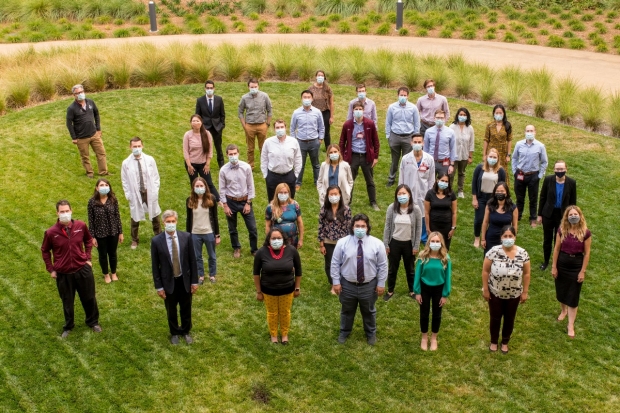
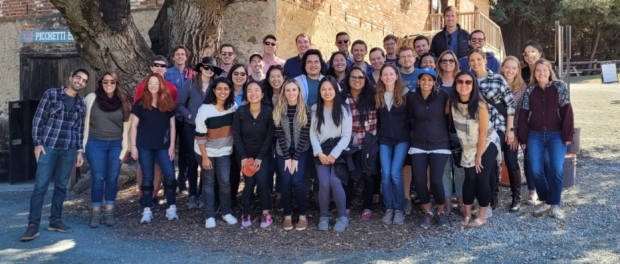
Child Neurology Residency
Our Mission
To train outstanding child neurologists who will define the landscape of child neurology in the future.
Our Program Goals
- To provide superlative clinical training for child neurology residents through exposure to diverse patient populations
- To provide a clinical and scholarly training curriculum specific to each resident’s career goals
- To provide exposure to all aspects of child neurology, thereby expanding residents’ understanding of child neurology and pediatric health
- To train our residents in lifelong scholarship
Welcome to Stanford Child Neurology!
Our Child Neurology Division has undergone an exciting phase of expansion, and now offers the largest faculty in the Western United States. As a result, all residents experience great breadth and depth across all facets of Child Neurology. There are four child neurology positions a year (see Clinical Training).
Our program is a 5 year combined program with our general pediatrics residency. The first two years are dedicated to general pediatrics training, and years 3-5 are dedicated to neurology training. Over the course of three years, Child Neurology residents spend approximately 12 months on adult (6 inpatient and 6 outpatient months) and 12 months on child neurology, with the remainder devoted to subspecialty rotations and electives.
Why Choose Stanford?
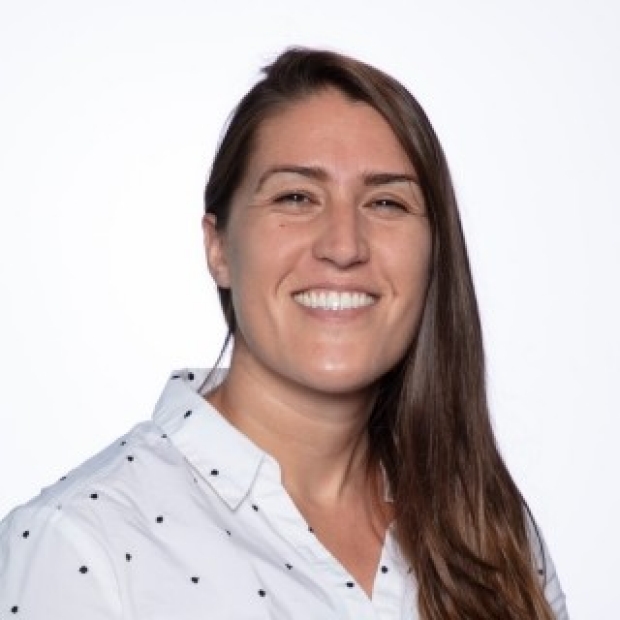






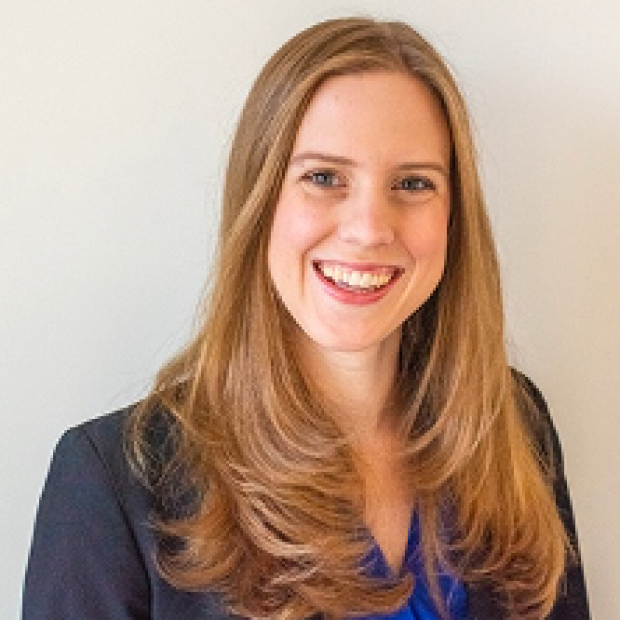
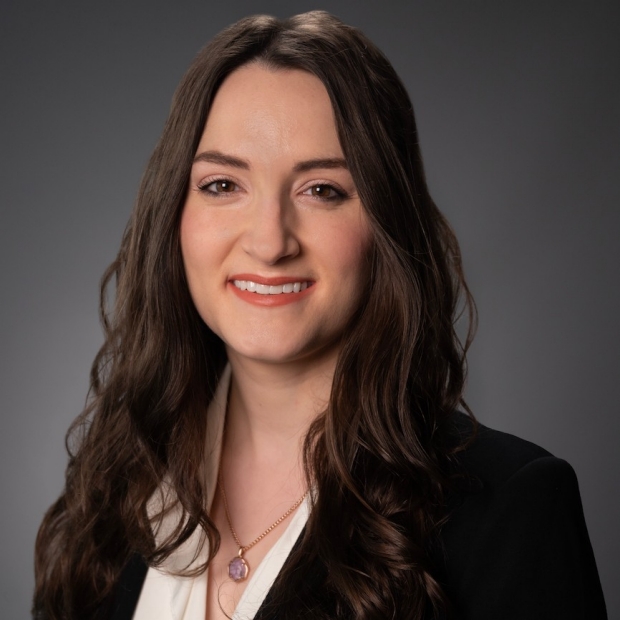

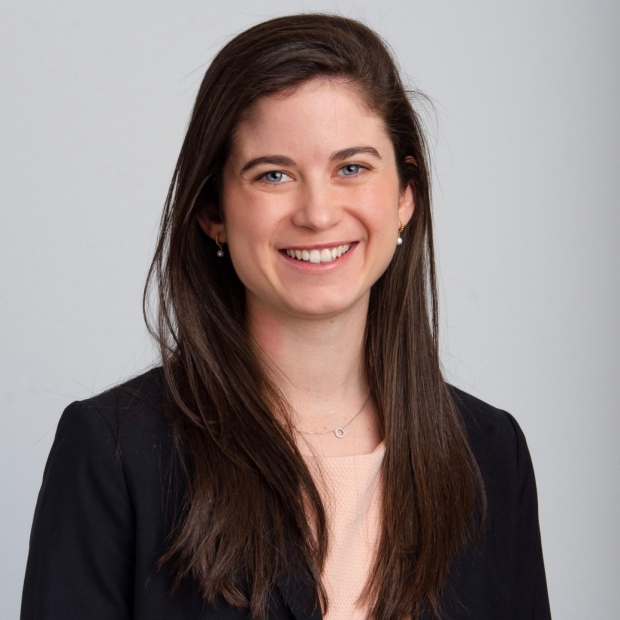


Cynthia Campen, MD
Program Director,
Child Neurology Residency
Clinical Professor of Neurology and Neurological Sciences

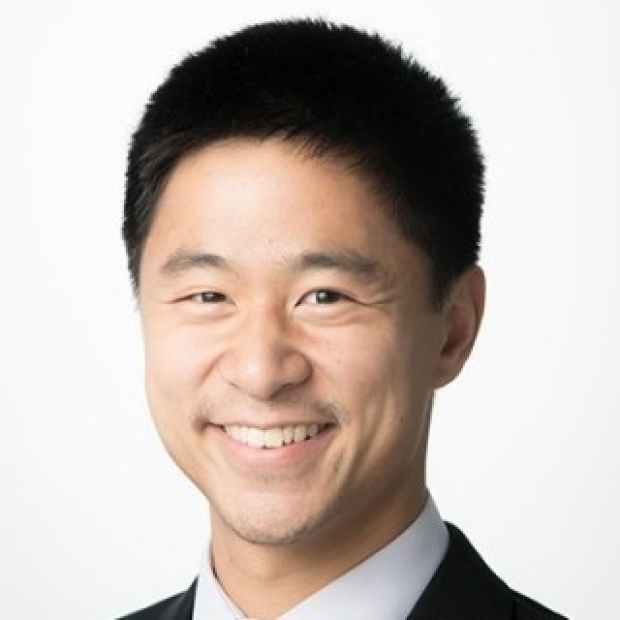
Ann Hyslop, MD
Associate Program Director, Child Neurology Residency
Clinical Associate Professor of Neurology and Neurological Sciences

Julie Ng and Jackie Loesch
Child neurology resident coordinators